Ha Long Bay è un posto fuori dal tempo: un gioiello del Vietnam e meta di migliaia di persone ogni anno. Questo articolo vuole essere un omaggio, il mio punto di vista, a un luogo unico al mondo che ho avuto la fortuna di vedere. Non aspettarti il solito copia-incolla di informazioni da enciclopedia: la storia è importante per capire dove si è, ma qui racconto soprattutto la mia Ha Long Bay.
Da Hanoi alla baia: quando l'avventura comincia sotto la pioggia
Quest'avventura — perché solo così si può definire — comincia una grigia e piovosa mattina d'agosto ad Hanoi.
Visitare Ha Long Bay "per conto proprio" non è impossibile, ma non è nemmeno la cosa più lineare: serve una barca e, se vuoi davvero viverla, la cosa migliore è passarci almeno una notte, per svegliarsi in mezzo agli isolotti calcarei sempre verdi, tra grotte, vegetazione fitta e silenzi che non ti aspetti.
Con i miei tre inseparabili compagni di viaggio, sotto una pioggia battente, iniziamo a informarci su come raggiungere la baia e quale sia la soluzione più economica. È subito chiaro che — non volendo spendere una follia — la via più comoda è appoggiarsi ai pacchetti proposti da hotel e guesthouse. Anche se, lo ammetto, l'idea dei tour "preconfezionati" non mi ha mai fatto impazzire.
Prenotazioni: online vs in loco (e la solita lezione)
Prenotare "il barcone" con largo anticipo sui siti trovati al volo con una ricerca non ci convince: spesso i prezzi sono più alti e, molte volte, offrono esattamente le stesse cose (se non meno) di quello che si trova prenotando sul posto.
Dopo un po' di ricerche in città, decidiamo di prenotare direttamente nella guesthouse in cui soggiorniamo. Ci spiegano che ci sono due tipologie di escursione: a cambiare sarebbe la barca su cui pernottare (o almeno così ci viene venduta). Per due giorni scarsi e una notte il costo medio, ci dicono, va tra i 60 e gli 80 dollari.
Sì, dollari. A quanto pare, quando si parla di escursioni, la moneta "ufficiale" diventa spesso quella.
Il proprietario ci fa subito capire che l'opzione da 80 è meglio della 60: cibo migliore, più giovani a bordo e soprattutto… birra gratis. "Birra gratis?!" Sì, esatto: birra gratis. E così ci ha convinto.
Verso Ha Long Bay: minivan, chiatte e passaporti consegnati (male)
Il minivan che ci accompagna nei circa 170 km da Hanoi non tarda ad arrivare. Partiamo facendoci largo nella giungla urbana super trafficata della capitale. Dopo un paio d'ore arriviamo al punto di imbarco: piccole chiatte ci portano, dopo un breve itinerario, verso il barcone su cui avremmo passato la notte.
La guida — se così si può definire — ci chiede i passaporti e sbriga lei le formalità. Si tiene i nostri documenti, dicendoci che ce li avrebbe restituiti una volta a bordo della barca principale insieme alle chiavi delle stanze.
Già lì, col senno di poi, avrei dovuto drizzare le antenne.
Prima tappa: Hang Đầu Gỗ (e la folla)
Dopo una mezz'ora di navigazione nello scenario incredibile della baia, arriviamo a Hang Đầu Gỗ, una delle tappe più note: una grotta enorme, con camere ampie e formazioni di stalattiti e stalagmiti. Bellissima, sì. Ma anche piena di turisti: passaggi affollati, camminamenti intasati, foto quasi impossibili senza avere qualcuno incollato al gomito.
Non ci facciamo scoraggiare: siamo in un posto da favola e l'umore, nonostante tutto, resta alto.
Il "barcone migliore": quando capisci di essere caduto nel trappolone
Finite le grotte, ripartiamo verso la baia vera e propria. A un certo punto ci avvisano che stiamo per cambiare imbarcazione. Poco dopo avvistiamo il nostro barcone e iniziano i primi segnali che forse siamo caduti in un trappolone per turisti.
Ci attracchiamo alla "barca madre". Il capitano, a mezzi denti, ci dà il benvenuto, spiega le regole base durante la navigazione e ci consegna le chiavi.
Ecco: qui prendiamo coscienza di essere stati fregati. La camera era angusta, sporca e attaccata al vano motore, con un odore di gasolio tremendo. Non sono uno che si formalizza facilmente, e a dirla tutta ho dormito in posti peggiori. Solo che non mi piace essere preso in giro.
In Paesi dove il turismo è molto diffuso, la differenza tra ciò che ti promettono e ciò che trovi può essere ampia. Se scegli la via "low cost", devi mettere in conto una certa elasticità mentale. Il punto non è fare i moralisti: è evitare di arrivare impreparati.
La magia vera: il ponte, gli isolotti e il kayak
Dopo esserci sistemati, saliamo sul ponte. E lì, all'improvviso, tutto cambia.
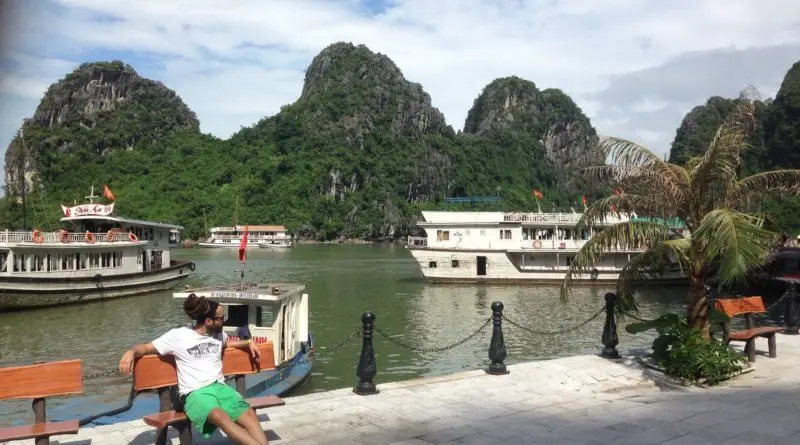
Il panorama è mozzafiato: isolotti imponenti che si susseguono uno dietro l'altro, villaggi galleggianti di pescatori intenti nella loro vita quotidiana, piccoli barchini che calano reti, acqua che sembra ferma e allo stesso tempo viva.
Il barcone si ferma al centro di un bacino e noi, decisi, sfruttiamo la possibilità di usare i kayak. Questa, se vai ad Ha Long Bay, è un'esperienza da fare assolutamente.
Allontanandoci dalle barche turistiche iniziamo a sentire davvero la natura: uccelli, richiami, rumori che arrivano dalla vegetazione degli atolli. Le nuvole del mattino si diradano e il sole ci scalda la fronte. In quel momento mi rendo conto che, nonostante la fregatura e le cose non fossero come promesso, ne era valsa la pena.
La notte a bordo (e la "birra gratis" che non era gratis)
Passiamo il resto della giornata tra qualche tuffo dalla barca e qualche birra. Birra che, scopriamo, è a pagamento: quella "gratis" esisteva solo in una finestra oraria serale, dalle 20:00 alle 23:00.
Ceniamo con del cibo senza infamia né gloria e passiamo la notte senza grande vita sociale: eravamo in pochi, perlopiù famiglie. Altro che barca "migliore" piena di giovani festanti. Alla faccia nostra.
Ce ne andiamo a letto.
Il mattino dopo: "cosa mi sto dimenticando?" I passaporti.
Il mattino seguente, dopo una rapida colazione, qualcosa non mi torna. E penso: "Cosa mi sto dimenticando?!"
I nostri passaporti.
Nessuno era venuto a restituirceli. Andiamo dal capitano chiedendo spiegazioni. Ci dice che li aveva la guida che ci aveva accompagnato a bordo, ma che la sera prima aveva lasciato l'imbarcazione ed era tornata ad Hanoi, dove li avrebbe lasciati alla guesthouse.
A quel punto scatta una discussione piuttosto animata: noi, una volta tornati a terra, dovevamo andare direttamente in aeroporto e lasciare il Vietnam. Volevamo i documenti subito.
È stato abbastanza chiaro che quella mossa rischiava di farci perdere tempo e costringerci a fermarci un'altra notte ad Hanoi.
Dopo un paio d'ore, fortunatamente, ci restituiscono i passaporti. Dopo pranzo il barcone tocca terra. L'escursione finisce così.

Conclusione: esperienza positiva, ma a occhi aperti
Tirando le somme: nell'insieme, e visto il posto, l'esperienza è stata comunque positiva. Ha Long Bay è un luogo particolare e splendido, e questo fa la differenza anche davanti a qualche difficoltà.
Se anche tu vuoi andarci, ecco cosa mi sento di lasciare come promemoria.
Consigli pratici per Ha Long Bay
- Prenota in loco se vuoi risparmiare, ma metti in conto che non sarà sempre esattamente come te la raccontano.
- Se non stai cercando un'esperienza "5 stelle", non farti incantare dalle differenze tra barche: spesso, nella fascia economica, cambiano più le promesse che la sostanza.
- Non lasciare mai il passaporto in mano ad altri, in nessuna parte del mondo. Se serve una registrazione, fatti dire chiaramente perché, per quanto tempo, e pretendi un metodo trasparente.
- Serve capacità di adattamento: considera possibili imprevisti e cerca di non viverli come una tragedia.
- Ci saranno tanti turisti: è un luogo famoso. Non aspettarti solitudine totale, ma cerca i momenti "tuoi" (kayak, ore meno affollate, distanze dai gruppi).
Errori da evitare
- Pagare extra per "barca migliore" solo per slogan (cibo migliore, giovani a bordo, ecc.).
- Consegnare documenti senza regole chiare (e senza riaverli subito).
- Aspettarsi Ha Long Bay vuota: è famosa, e si vede.
- Saltare il kayak: è una delle parti più belle perché ti porta lontano dal rumore.
- Rovinarsi l'umore per una fregatura: non vale il prezzo di buttare via un posto così.
Check-list prima di partire da Hanoi
- Prenotazione con dettagli scritti (cosa include, orari, trasferimenti)
- Contanti per extra (bevande, mance, "sorprese")
- Sacchetta impermeabile per telefono/documenti
- Abbigliamento leggero + qualcosa per la sera (umidità e vento)
- Mentalità: flessibile, ma con confini chiari (soprattutto sui documenti)
Ha Long Bay is a place out of time: a jewel of Vietnam and a destination for thousands of people every year. This article is meant as a tribute — my own perspective — to a unique place in the world I was lucky enough to see. Don't expect the usual copy-paste of encyclopedia entries: history matters for understanding where you are, but here I'm mostly telling the story of my Ha Long Bay.
From Hanoi to the bay: when the adventure begins under the rain
This adventure — because that's the only way to describe it — starts on a grey, rainy August morning in Hanoi.
Visiting Ha Long Bay "on your own" isn't impossible, but it's not exactly straightforward either: you need a boat, and if you truly want to experience it, the best thing is to spend at least one night there, waking up among the ever-green limestone islets, surrounded by caves, dense vegetation, and silences you don't expect.
Together with my three inseparable travel companions, under pouring rain, we start gathering information on how to reach the bay and what the cheapest option would be. It quickly becomes clear that — without wanting to spend a fortune — the most convenient route is to go with the packages offered by hotels and guesthouses. Even though, I'll admit, the idea of "pre-packaged" tours has never thrilled me.
Bookings: online vs on the spot (and the usual lesson)
Booking "the boat" well in advance through websites found from a quick search doesn't convince us: the prices are often higher, and many times they offer exactly the same things (if not less) compared to what you can find booking on the spot.
After some research around the city, we decide to book directly at the guesthouse where we're staying. They explain that there are two types of excursions: what changes would be the boat you sleep on (or at least that's how it's sold to us). For just under two days and one night, the average cost, they tell us, ranges between 60 and 80 dollars.
Yes, dollars. Apparently, when it comes to excursions, the "official" currency often becomes that one.
The owner quickly makes it clear that the 80-dollar option is better than the 60: better food, more young people on board and above all… free beer. "Free beer?!" Yes, exactly: free beer. And just like that, he had us convinced.
Heading to Ha Long Bay: minivan, barges and passports handed over (badly)
The minivan taking us on the roughly 170 km from Hanoi arrives right on time. We set off, cutting through the super-congested urban jungle of the capital. After a couple of hours we reach the boarding point: small barges carry us, after a short route, toward the big boat where we would spend the night.
The guide — if you could call her that — asks for our passports and handles the paperwork herself. She keeps our documents, telling us she would return them once we were on board the main vessel, along with the room keys.
Looking back, I should have raised my guard right then and there.
First stop: Hang Đầu Gỗ (and the crowds)
After about half an hour of sailing through the bay's incredible scenery, we arrive at Hang Đầu Gỗ, one of the most famous stops: a massive cave with spacious chambers and formations of stalactites and stalagmites. Beautiful, yes. But also packed with tourists: crowded passages, jammed walkways, photos nearly impossible without someone glued to your elbow.
We don't let it get us down: we're in a fairytale place and the mood, despite everything, stays high.
The "better boat": when you realize you've fallen into the trap
After the caves, we head back out into the bay proper. At some point they tell us we're about to switch vessels. Shortly after, we spot our boat and the first signs appear that maybe we've fallen into a tourist trap.
We dock alongside the "mother ship". The captain, somewhat reluctantly, welcomes us, explains the basic rules during navigation, and hands us the keys.
And right there: that's when it hits us — we'd been ripped off. The cabin was cramped, dirty, and right next to the engine room, with a terrible diesel smell. I'm not someone who fusses easily, and to be honest I've slept in worse places. It's just that I don't like being taken for a ride.
In countries where tourism is widespread, the gap between what they promise and what you actually find can be wide. If you go the "low cost" route, you need to account for a certain mental flexibility. The point isn't to be preachy about it: it's to avoid arriving unprepared.
The real magic: the deck, the islets and the kayak
After settling in, we head up to the deck. And there, suddenly, everything changes.
The view is breathtaking: towering islets stretching out one after another, floating fishing villages with fishermen going about their daily lives, small boats casting nets, water that seems still yet somehow alive.
The boat stops in the middle of a basin and we, determined, take the chance to use the kayaks. This, if you go to Ha Long Bay, is an experience you absolutely must have.
Paddling away from the tourist boats, we start to truly feel nature: birds, calls, sounds coming from the vegetation on the atolls. The morning clouds clear and the sun warms our foreheads. In that moment I realize that, despite the rip-off and things not being as promised, it had been worth it.
The night on board (and the "free beer" that wasn't free)
We spend the rest of the day with a few dips off the boat and a few beers. Beers that, we discover, are not free: the "free" ones only existed during an evening window, from 8 PM to 11 PM.
We have dinner with unremarkable food and spend the night without much of a social scene: there were only a few of us, mostly families. So much for the "better" boat full of fun-loving young people. Joke's on us.
Off to bed we go.
The next morning: "what am I forgetting?" The passports.
The next morning, after a quick breakfast, something doesn't feel right. And I think: "What am I forgetting?!"
Our passports.
Nobody had come to return them. We go to the captain demanding an explanation. He tells us the guide who had accompanied us on board had them, but that she had left the vessel the previous evening and had gone back to Hanoi, where she would leave them at the guesthouse.
At that point, a rather heated argument breaks out: once back on land, we were supposed to go straight to the airport and leave Vietnam. We wanted our documents right away.
It was pretty clear that move risked wasting our time and forcing us to stay another night in Hanoi.
After a couple of hours, fortunately, they return our passports. After lunch, the boat reaches shore. And that's how the excursion ends.
Conclusion: a positive experience, but with eyes wide open
All things considered: overall, given the location, the experience was still positive. Ha Long Bay is a remarkable and stunning place, and that makes all the difference even in the face of a few setbacks.
If you want to go too, here's what I'd like to leave you as a reminder.
Practical tips for Ha Long Bay
- Book on the spot if you want to save money, but keep in mind it won't always be exactly as they describe it.
- If you're not looking for a "5-star" experience, don't be charmed by the differences between boats: in the budget range, the promises change more than the substance.
- Never hand over your passport to anyone, anywhere in the world. If registration is required, have them clearly explain why, for how long, and insist on a transparent method.
- Adaptability is key: expect possible surprises and try not to treat them as disasters.
- There will be plenty of tourists: it's a famous place. Don't expect total solitude, but seek out your own moments (kayaking, less crowded hours, distance from groups).
Mistakes to avoid
- Paying extra for a "better boat" based on slogans alone (better food, young people on board, etc.).
- Handing over documents without clear rules (and without getting them back immediately).
- Expecting an empty Ha Long Bay: it's famous, and it shows.
- Skipping the kayak: it's one of the best parts because it takes you away from the noise.
- Letting a rip-off ruin your mood: it's not worth the price of wasting a place like this.
Check-list before leaving Hanoi
- Booking with written details (what's included, times, transfers)
- Cash for extras (drinks, tips, "surprises")
- Waterproof pouch for phone/documents
- Light clothing + something for the evening (humidity and wind)
- Mindset: flexible, but with clear boundaries (especially regarding documents)