La Bosnia Erzegovina è quel Paese che non ti aspetti. Sì, perché per noi italiani viene facile associarla solo alla guerra combattuta non molti anni fa, che ha lasciato segni visibili ancora oggi. Ma questo Paese è molto altro.
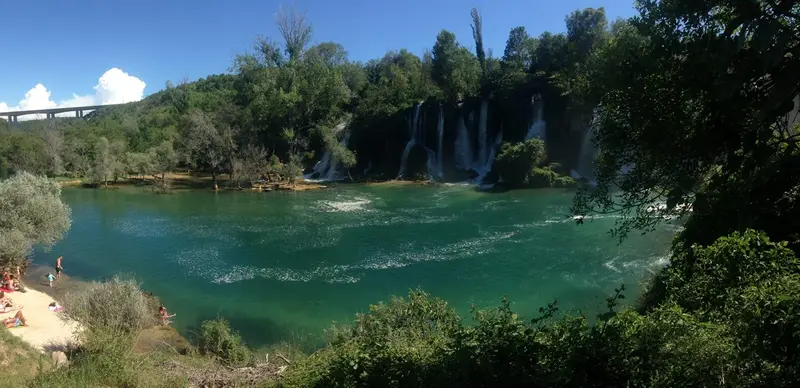
L'acqua è un elemento centrale: bacini cristallini e cascate si fanno largo tra zone collinari, gole di roccia e natura che, a tratti, sembra davvero incontaminata.
On the road dall'Italia: entrare in Bosnia passando dall'entroterra
Il nostro viaggio on the road è cominciato dall'Italia, attraversando Slovenia e Croazia nell'entroterra, evitando la via più comune lungo la costa adriatica, per inoltrarci in Bosnia in direzione della capitale Sarajevo.
Qui la scarsa presenza di autostrade — soprattutto dopo aver lasciato la Croazia — ti costringe a percorrere chilometri su strade ordinarie che attraversano città, pascoli, foreste, campi coltivati a perdita d'occhio, gole e piccoli paesi. È chiaro come la Bosnia viva ancora molto di agricoltura e pastorizia ed è evidente il divario tra la vita di campagna e la vita in una grande città come Sarajevo.
Sarajevo: un incrocio di mondi
La capitale è un esempio concreto di convivenza religiosa e culturale: in poche strade si respira un'aria multiculturale dove convivono comunità musulmane, ortodosse e cattoliche.
Il centro storico — Baščaršija — è un dedalo di vie e vicoli su cui si affacciano negozi, ristoranti, birrerie e sale da tè. Ci sono posti dove gustare ottimi tè e caffè "alla turca", e locali in cui la shisha (narghilè) è parte dell'atmosfera, soprattutto la sera. Basta infilarsi in uno di quei cortili nascosti, a metà tra giardino e chiostro, per capire che Sarajevo ha un ritmo tutto suo: rilassato e vivo insieme.
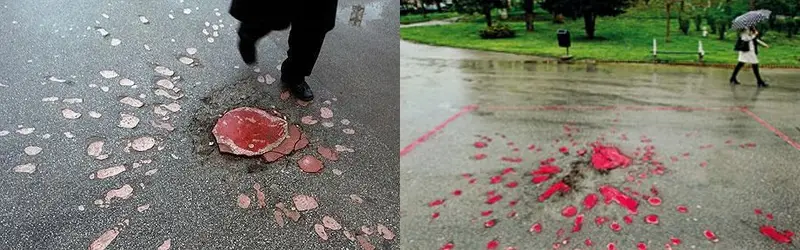
Lungo le strade si possono vedere le Rose di Sarajevo: cicatrici lasciate dai colpi di mortaio durante l'assedio, riempite di resina rossa. Segni tangibili, scelti apposta per non dimenticare.
La fontana Sebilj e il cuore della città
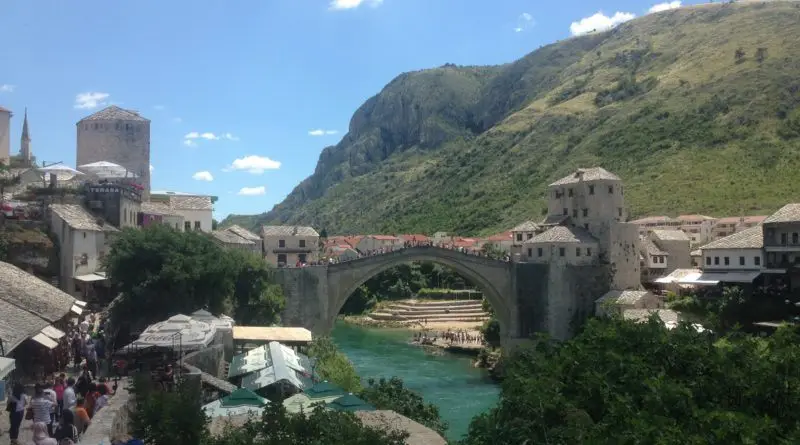
La fontana Sebilj è uno degli emblemi di Sarajevo. In stile moresco, è situata nel cuore del centro storico. Risale alla fine dell'Ottocento e il suo nome deriva dall'arabo, dove indica in generale le fontane pubbliche (spesso con forma di chiosco) legate alla tradizione urbana ottomana.
Assieme al municipio (Vijećnica) è tra i simboli più fotografati della città. La piazza in cui si trova Sebilj è pedonale e circondata da caffetterie e ristoranti dove è facile assaggiare piatti tipici. È un punto d'incontro naturale: la gente ci passa, si ferma, si dà appuntamento. E tra minareti e chiese capisci subito dove sei: a metà strada tra Oriente e Occidente.
Ancora oggi la fontana viene usata da chi vuole rinfrescarsi. È una di quelle cose semplici che rendono una città vera.
Moneta e costi: come si vive Sarajevo oggi
La moneta nazionale è il Marco convertibile (BAM). Il cambio varia nel tempo, ma per chi arriva dall'Italia Sarajevo resta spesso conveniente, soprattutto per cibo, trasporti e alcune soluzioni di alloggio.
Per i pernottamenti è semplice trovare appartamenti anche per pochi giorni, oltre a hotel e ostelli. Con una ricerca sulle principali piattaforme si trovano spesso sistemazioni decorose vicine al centro a prezzi accessibili, soprattutto fuori dai periodi di alta affluenza.
Cibo tipico: carne, forno e birra locale
Il cibo locale è ottimo e, spesso, molto abbordabile. È una cucina concreta, con tanta carne (grigliate di ogni tipo), verdure e pane in tutte le sue forme.
Una cosa tipica è il burek: pasta ripiena (spesso di carne, ma esistono varianti) che, se lo prendi nel posto giusto, è una bomba. E si sposa perfettamente con una delle birre locali.
A Sarajevo è facile imbattersi in birre bosniache storiche come la Sarajevsko. Nel testo originale citavo anche Karlovačko: vale la pena ricordare che è molto diffusa nell'area balcanica, anche se non è bosniaca "di nascita". In ogni caso, se ami la birra, qui trovi ampia scelta e prezzi spesso più gentili che da noi.
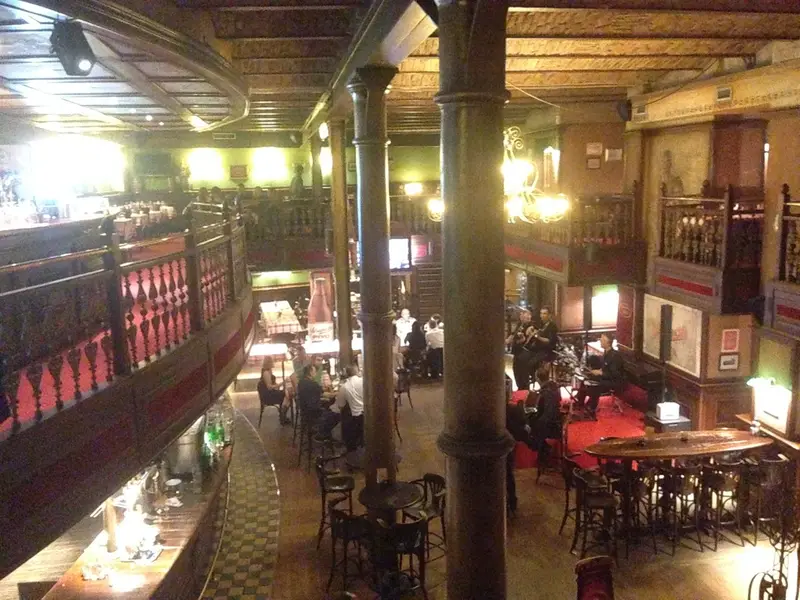
Per chi vuole una serata semplice e autentica: un pub con birra locale, qualcosa da mangiare e magari musica dal vivo è un modo perfetto per "sentire" la città.
Muoversi: a piedi, tram e taxi
Il centro di Sarajevo si gira comodamente a piedi. Se vuoi spostarti verso altre zone, c'è il tram e, in generale, anche i taxi sono spesso convenienti.
Periferie e memoria: la città che mostra ancora le ferite
La periferia può risultare più cupa. I segni della guerra sono ancora tangibili: palazzi alti e fatiscenti, facciate segnate, ricordi che restano impressi.
L'arteria principale che collega l'ingresso in città al centro è nota anche per la sua storia tragica: durante l'assedio alcune zone erano particolarmente esposte. Vederle oggi fa un certo effetto, perché la vita è andata avanti, ma non tutto si è "cancellato".
La gente del posto è in generale cordiale e ospitale. Le generazioni più giovani parlano spesso inglese senza problemi, cosa meno scontata per chi è più anziano.
Conclusione
Sarajevo è una città sicura e, per me, assolutamente da consigliare. È ricca di tradizioni e costumi differenti che si mescolano in modo naturale. È una capitale che non si mette in posa: ti lascia entrare, se hai voglia di guardare davvero.
Sarajevo in 2 giorni — itinerario semplice
- Passeggiata nel centro (Baščaršija)
- Sebilj e dintorni
- Caffè "alla turca" e cena tipica
- Sera in un pub con birra locale
- Camminata "lenta" tra centro e zone più alte
- Ricerca delle Rose di Sarajevo lungo le strade
- Museo/luoghi legati alla memoria (in base ai tuoi interessi)
- Tram e giro fuori dal centro per vedere il contrasto tra quartieri
Errori da evitare a Sarajevo
- Pensare che sia "solo guerra": la memoria c'è, ma la città è molto più ampia e viva.
- Voler fare tutto in poche ore: Sarajevo rende quando la vivi con calma.
- Saltare il cibo tipico "semplice" (burek, grigliate): è parte dell'esperienza.
- Muoversi solo in taxi: il centro a piedi è la scelta migliore.
- Trattare i segni della guerra come attrazione: sono memoria, non scenografia.
Check-list per un on the road in Bosnia
- Documenti e assicurazione auto validi per l'estero
- Contanti (BAM) + carta (non sempre tutto è cashless)
- Navigazione offline (copertura variabile fuori città)
- Scarpe comode (Sarajevo è fatta di salite e pavé)
- Tempo extra: le strade in Bosnia non sono "da autostrada"
Bosnia and Herzegovina is the country you don't see coming. For many of us, the first association is the war fought not so long ago, which left marks still visible today. But this country is so much more.
Water is a central element: crystal-clear pools and waterfalls carve their way through rolling hills, rocky gorges and stretches of nature that feel genuinely untouched.
Road-tripping from Italy: entering Bosnia through the inland route
Our road trip started from Italy, crossing Slovenia and inland Croatia, skipping the more common coastal route along the Adriatic to head straight into Bosnia towards the capital, Sarajevo.
Here the lack of motorways — especially once you leave Croatia — forces you onto regular roads that wind through towns, pastures, forests, endless farmland, gorges and tiny villages. It's clear that Bosnia still relies heavily on farming and livestock, and the gap between rural life and life in a big city like Sarajevo is hard to miss.
Sarajevo: a crossroads of worlds
The capital is a living example of religious and cultural coexistence: within just a few streets you can feel a multicultural atmosphere where Muslim, Orthodox and Catholic communities live side by side.
The old town — Baščaršija — is a maze of streets and alleyways lined with shops, restaurants, breweries and tea houses. There are spots where you can enjoy wonderful Turkish-style tea and coffee, and places where shisha (hookah) is part of the vibe, especially in the evening. Duck into one of those hidden courtyards, halfway between a garden and a cloister, and you'll understand that Sarajevo has a rhythm all its own: relaxed and alive at the same time.
Along the streets you can spot the Sarajevo Roses: scars left by mortar strikes during the siege, filled with red resin. Tangible marks, deliberately preserved so that no one forgets.
The Sebilj fountain and the heart of the city
The Sebilj fountain is one of Sarajevo's most iconic landmarks. Built in Moorish style, it sits right in the heart of the old town. It dates back to the late 19th century and its name comes from Arabic, where it refers to public fountains (often kiosk-shaped) linked to the Ottoman urban tradition.
Together with the City Hall (Vijećnica), it's one of the most photographed symbols in the city. The square around Sebilj is pedestrianised and surrounded by cafés and restaurants where trying local dishes is easy. It's a natural meeting point: people pass through, linger, arrange to meet. And between the minarets and churches you instantly know where you are: halfway between East and West.
Even today the fountain is used by anyone who wants to cool off. It's one of those simple things that make a city feel real.
Currency and costs: what Sarajevo is like today
The national currency is the Convertible Mark (BAM). The exchange rate fluctuates, but for visitors coming from Western Europe Sarajevo is often very affordable, especially when it comes to food, transport and some accommodation options.
Finding apartments for short stays is straightforward, alongside hotels and hostels. A quick search on the main booking platforms often turns up decent places close to the centre at reasonable prices, particularly outside peak season.
Local food: meat, oven-baked goods and craft beer
The local food is excellent and, more often than not, very affordable. It's hearty, no-nonsense cooking with plenty of meat (grills of every kind), vegetables and bread in all its forms.
One must-try is burek: stuffed pastry (usually meat-filled, though other versions exist) that, when you get it from the right place, is an absolute hit. And it pairs perfectly with one of the local beers.
In Sarajevo you'll easily come across historic Bosnian beers like Sarajevsko. I originally mentioned Karlovačko as well: it's worth noting that it's widely available across the Balkans, even though it isn't Bosnian by origin. Either way, if you love beer, you'll find plenty of choice and prices that are often kinder than back home.
For a simple, authentic evening out: a pub with local beer, some food and maybe live music is the perfect way to truly "feel" the city.
Getting around: on foot, by tram and taxi
Sarajevo's centre is easily explored on foot. If you need to reach other areas, there's the tram, and taxis are generally affordable too.
The outskirts and memory: a city still showing its scars
The outskirts can feel more sombre. The signs of war are still tangible: tall, crumbling apartment blocks, scarred façades, memories that stay with you.
The main road connecting the city entrance to the centre is also known for its tragic history: during the siege certain stretches were particularly exposed. Seeing them today leaves an impression, because life has moved on but not everything has been "erased".
The locals are generally warm and welcoming. Younger generations often speak English without any issues, which is less common among older residents.
Conclusion
Sarajevo is a safe city and, in my opinion, an absolute must-visit. It's rich with different traditions and customs that blend together naturally. It's a capital that doesn't pose for the camera: it lets you in, if you're willing to truly look.
Sarajevo in 2 days — a simple itinerary
- Stroll through the old town (Baščaršija)
- Sebilj and surrounding area
- Turkish-style coffee and a traditional dinner
- Evening at a pub with local beer
- A leisurely walk between the centre and the upper neighbourhoods
- Spotting the Sarajevo Roses along the streets
- Museum / memorial sites (based on your interests)
- Tram ride outside the centre to see the contrast between neighbourhoods
Mistakes to avoid in Sarajevo
- Thinking it's "just about the war": the memory is there, but the city is far bigger and more alive than that.
- Trying to do everything in a few hours: Sarajevo rewards you when you take it slow.
- Skipping the simple local food (burek, grilled meats): it's part of the experience.
- Only getting around by taxi: walking the centre is the best choice.
- Treating war scars as a tourist attraction: they are memory, not scenery.
Check-list for a road trip through Bosnia
- Valid travel documents and international car insurance
- Cash (BAM) + card (not everywhere is cashless)
- Offline navigation (coverage can be patchy outside the city)
- Comfortable shoes (Sarajevo is all hills and cobblestones)
- Extra time: roads in Bosnia are not motorway-grade