La Thailandia. Lontana — circa 9.000 km dall'Italia — eppure, per me, sorprendentemente vicina. È il Paese che, dopo casa, sento di conoscere meglio e da cui ho imparato di più. Non solo per i posti incredibili, ma per un certo modo di stare al mondo: pratico, leggero, a volte spietatamente semplice. Ti cambia il passo, e anche lo sguardo.
Esagero? Può darsi. Ma la verità è che è la Thailandia a essere esagerata.
Bangkok, la "città degli angeli" (e degli eccessi)
Bangkok — "Krung Thep" per i locali — è l'esempio più lampante. Il nome cerimoniale completo (quello lunghissimo) è famoso proprio perché è tra i più lunghi al mondo: se non ci credi, fai davvero come dicevo nel 2016… chiedi a Wikipedia.
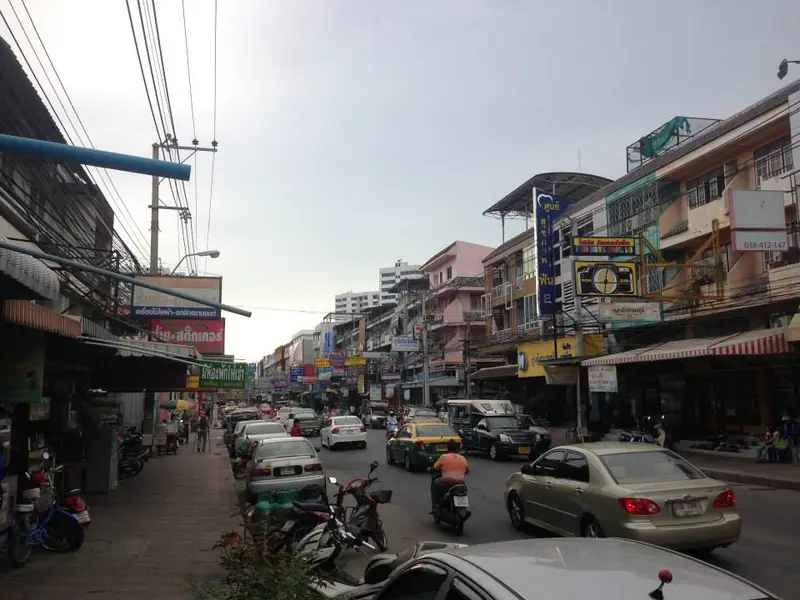
Bangkok è un mondo nel mondo. Non si ferma mai. Migliaia di persone si riversano ogni giorno in strade dove convivono grattacieli, templi, centri commerciali giganteschi e bancarelle che cucinano a ogni ora. Lo street food qui non è "folklore per turisti": è vita quotidiana. Puoi passare dal Pad Thai fatto come si deve a spiedini misteriosi, frutta tagliata al momento, zuppe bollenti e, sì, anche insetti fritti se vuoi provarli.
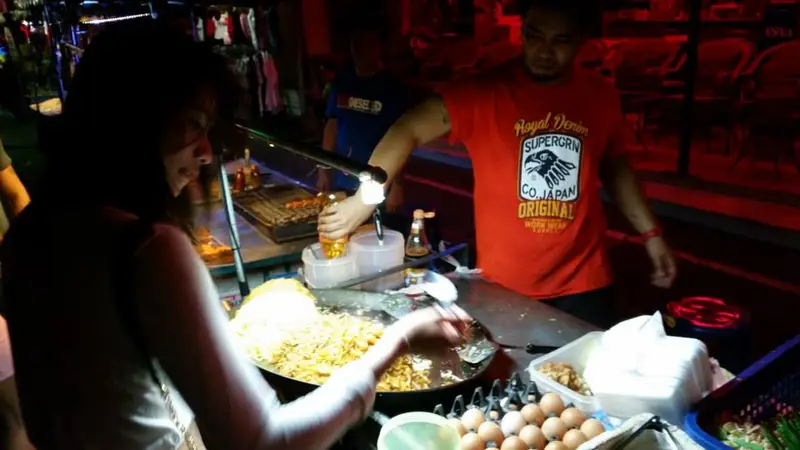
In mezzo: taxi dai colori accesi, tuk-tuk sferraglianti, motorini ovunque e un mix di odori che cambia ogni dieci metri — a volte buonissimi, a volte… educatamente "memorabili".

Bangkok è anche una delle città più congestionate del pianeta: traffico, tempi imprevedibili, caldo e umidità che sfiancano. Però, se impari a muoverti bene, diventa incredibilmente accessibile.
Religione, monarchia e rispetto
La religione principale è il Buddhismo Theravada, e si percepisce ovunque: templi, altari domestici, offerte, rituali quotidiani. La Thailandia è una monarchia costituzionale e la figura della famiglia reale rimane un tema molto delicato e profondamente radicato nella cultura del rispetto. Le immagini ufficiali sono frequenti e noterai facilmente come molte persone si comportano con attenzione e deferenza.
Moneta e costi
La moneta è il Baht thailandese (THB). Il cambio varia nel tempo, ma in generale la Thailandia resta una destinazione con un ottimo rapporto qualità/prezzo, soprattutto su cibo, spostamenti e servizi.
Tralasciando le comuni nozioni generali — interessanti, ma facilmente reperibili — sposto l'attenzione su alcune cose utili e pratiche per chi vuole visitare Bangkok.
Precauzioni prima di partire
La Thailandia, al contrario di quanto ancora qualcuno crede, è un Paese moderno e, nelle zone turistiche, generalmente sicuro. La sanità è in gran parte privata: è una buona idea sottoscrivere un'assicurazione medica (con copertura per imprevisti e ricoveri) prima della partenza, facilmente attivabile online, che copra l'intera durata del viaggio.
Non sono richieste profilassi particolari per la maggior parte dei viaggiatori, ma valgono le solite accortezze: evita l'acqua del rubinetto e usa solo acqua in bottiglia per bere. Se hai lo stomaco sensibile, puoi usare acqua in bottiglia anche per le situazioni "borderline". Una scelta semplice che riduce drasticamente la possibilità di problemi.
Può essere utile assumere fermenti lattici/probiotici prima della partenza e durante il viaggio: i cibi locali (irrinunciabili) e i ritmi diversi mettono alla prova l'intestino, e un aiuto in più può fare la differenza.
Consiglio comunque di portare sempre con sé un minimo di farmaci per le eventuali necessità (antipiretico, antidiarroico, cerotti, disinfettante, qualcosa per punture/irritazioni), anche se in Thailandia le farmacie sono diffuse e ben fornite.
Periodo migliore e scelta del volo aereo
Il periodo più "facile" dal punto di vista meteo, in genere, va da novembre a febbraio, con temperature più sopportabili e piogge meno frequenti. Tra marzo e maggio fa più caldo, spesso con giornate davvero intense in città. Da giugno a ottobre è stagione delle piogge: non significa pioggia continua, ma rovesci improvvisi e umidità più alta.
Per i voli aerei, i prezzi variano in base a stagione, eventi e anticipo. In generale, conviene prenotare per tempo se viaggi nei mesi più richiesti (soprattutto tra dicembre e febbraio) e valutare non solo il prezzo, ma anche la durata totale, lo scalo e le condizioni bagagli.
Visto thailandese e arrivo in città
I due aeroporti principali di Bangkok sono:
- Suvarnabhumi (BKK): hub internazionale e scalo principale per molti voli intercontinentali.
- Don Mueang (DMK): spesso usato per molte tratte regionali e low cost.
Le regole di ingresso turistico possono cambiare (durata del soggiorno, esenzione visto, procedure). Prima della partenza è sempre buona pratica verificare le condizioni aggiornate per la propria nazionalità tramite fonti ufficiali (ambasciata/consolato o portali governativi).
Come comunicare e mantenersi informati
In Thailandia, soprattutto nelle grandi città, telefonia mobile e internet sono rapidi e capillari. In molti locali, hotel e guesthouse è disponibile Wi‑Fi gratuito, e la copertura mobile è generalmente ottima.
Comprare una SIM locale (o eSIM, quando disponibile) è semplice: si può fare anche appena atterrati in aeroporto, dove però i prezzi tendono a essere più alti rispetto ai negozi in città. In ogni caso, le tariffe locali restano spesso convenienti e permettono di avere mappe, traduzioni, prenotazioni e comunicazioni sempre a portata di mano.
Pernottamenti, mezzi di trasporto e spostamenti in città
Per quanto riguarda i luoghi dove dormire, Bangkok offre di tutto e per tutte le tasche: stanze in appartamenti condivisi, appartamenti in affitto, ostelli, guesthouse e hotel di ogni livello. Una ricerca su piattaforme di prenotazione è più che sufficiente per trovare velocemente la sistemazione giusta.
Dal punto di vista dei trasporti, Bangkok non lascia nulla al caso. Esistono collegamenti continui da e per molte città della Thailandia e dei Paesi vicini.
Per muoversi in città, BTS (Skytrain) e MRT sono comodi, puliti e veloci: spesso sono la soluzione migliore per evitare il traffico.
Il traffico, infatti, è una nota dolente. Ciò non toglie che, dal mio punto di vista, un mezzo comodo resta il taxi. Qui bisogna fare attenzione: per legge i tassisti devono usare il tassametro (meter), ma capita che qualcuno provi a proporre un prezzo fisso. La regola è semplice: chiedi sempre il meter; se non lo attivano, ringrazia e cambia taxi.
Anche le barche sul Chao Phraya, oltre a essere suggestive, possono essere un modo pratico per spostarsi e vedere la città da una prospettiva diversa.
Luoghi d'interesse e vita notturna
Il traffico è incessante a tutte le ore, ma non farti scoraggiare: puoi salire su un traghetto o una barca sul Chao Phraya River e ammirare la città dall'acqua, con una vista unica su Wat Arun, il Tempio dell'Alba, con le sue guglie in stile khmer decorate con porcellana e dettagli che, con la luce giusta, sembrano brillare.
Il Grand Palace è uno dei simboli della Thailandia: un complesso enorme, quasi una città nella città, dove smog e traffico restano fuori dalle mura. Pagode dorate e tetti colorati si alternano a porticati, cortili e templi con vetri di mille sfumature, presidiati da statue imponenti agli ingressi.
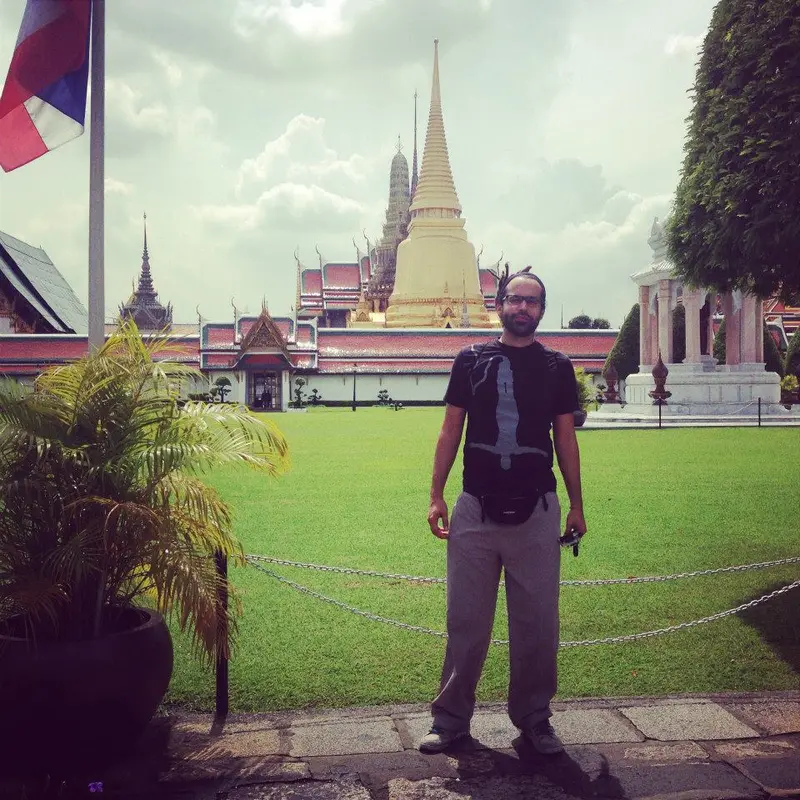
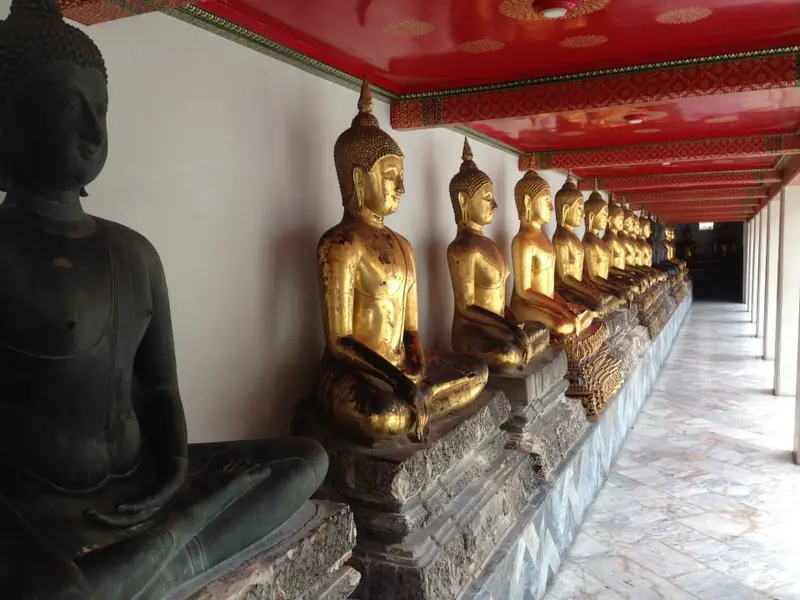
Wat Phra Kaew è il tempio del Buddha di Smeraldo, tra le statue più venerate in Thailandia, e la cappella reale. Wat Pho è conosciuto come il Tempio del Buddha Sdraiato: la statua — enorme — colpisce dal vivo più di qualsiasi foto, e i dettagli (come i piedi decorati) meritano tempo e attenzione.
Chinatown (Yaowarat) è certamente tra i quartieri più caotici della città: vicoli, negozi e ristoranti si intrecciano come un labirinto. Carretti spinti a mano e un continuo via vai di persone regalano uno scorcio di vita che sembra appartenere a un'altra epoca, dentro una metropoli in continua evoluzione.
Oltre a Chinatown, ci sono molti mercati. Chatuchak Market, tra i più grandi dell'Asia, è una tappa classica del weekend. MBK, nel cuore di Bangkok, è uno storico centro commerciale: otto piani di negozi dove si trova di tutto, dalla tecnologia ai souvenir.
La vita notturna riserva infinite sorprese: puoi concederti un rooftop con vista che sembra irreale oppure perderti tra strade piene di locali, musica e street food anche a tarda ora. Khao San Road, la via dei backpacker, è ancora un simbolo: divertimento a basso prezzo, persone da ogni parte del mondo, ma anche rumore e confusione. Il nome, in certi periodi, dice tutto: caos ininterrotto.
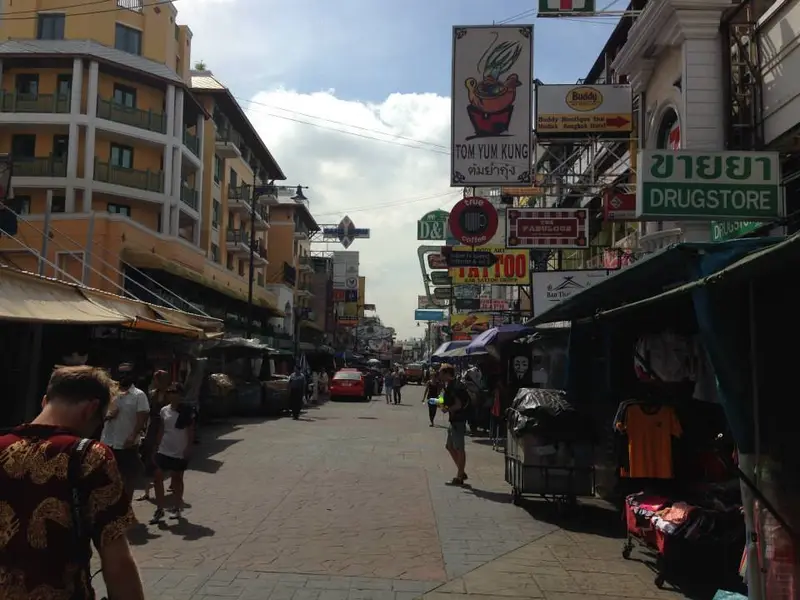
Ad ogni modo, i punti d'interesse di Bangkok meriterebbero pagine e pagine anche perché ogni giorno ne spuntano di nuovi, assurdi e incredibili.
Bangkok e la Thailandia in generale lasciano il segno, non c'è dubbio. E quale modo migliore per concludere questo omaggio a un Paese che mi ha rubato un pezzo di cuore, se non con una citazione da The Beach:
"Bangkok è la città dello spasso, dove gli affamati di avventure vengono a sfamarsi".
Bangkok in 3 giorni — itinerario semplice
- Grand Palace + Wat Phra Kaew (mattina presto)
- Wat Pho
- Tramonto o sera sul fiume (Chao Phraya)
- Chinatown (Yaowarat) tra pomeriggio e sera
- Street food e passeggiata tra vicoli e mercati
- Chatuchak (se è weekend) oppure centri commerciali (MBK e dintorni)
- BTS/MRT per girare senza traffico
- Rooftop o cena con vista (se ti va di chiudere in grande)
Errori da evitare a Bangkok
- Sottovalutare il traffico: tempi sempre più lunghi di quanto immagini.
- Dormire lontano da BTS/MRT: sembra economico, ma perdi ore.
- Accettare taxi senza meter: se non attiva il tassametro, cambia.
- Visitare templi senza abbigliamento adeguato: spalle e gambe coperte.
- Fare i "duri" con acqua e ghiaccio: prudenza = vacanza salva.
Check-list prima di partire
- Assicurazione medica viaggio
- Passaporto valido e regole d'ingresso aggiornate
- SIM/eSIM: idea chiara su dove prenderla
- Farmaci essenziali + repellente zanzare
- Adattatore e power bank
Thailand. Far away — about 9,000 km from Italy — and yet, to me, surprisingly close. It's the country that, after home, I feel I know best and from which I've learned the most. Not just because of the incredible places, but because of a certain way of being in the world: practical, light, sometimes ruthlessly simple. It changes your pace, and your perspective too.
Am I exaggerating? Maybe. But the truth is, it's Thailand that's over the top.
Bangkok, the "city of angels" (and of excess)
Bangkok — "Krung Thep" to the locals — is the most striking example. Its full ceremonial name (the incredibly long one) is famous precisely because it's one of the longest in the world: if you don't believe it, do what I said back in 2016… just ask Wikipedia.
Bangkok is a world within a world. It never stops. Thousands of people pour onto streets every day where skyscrapers, temples, massive shopping malls and food stalls cooking at all hours coexist side by side. Street food here isn't "tourist folklore": it's everyday life. You can go from a proper Pad Thai to mysterious skewers, freshly cut fruit, steaming soups and, yes, even fried insects if you're up for it.
In between: brightly coloured taxis, rattling tuk-tuks, motorbikes everywhere and a mix of smells that changes every ten metres — sometimes wonderful, sometimes… politely "memorable".
Bangkok is also one of the most congested cities on the planet: traffic, unpredictable travel times, draining heat and humidity. However, once you learn to get around, it becomes incredibly accessible.
Religion, monarchy and respect
The main religion is Theravada Buddhism, and you can feel it everywhere: temples, household altars, offerings, daily rituals. Thailand is a constitutional monarchy and the royal family remains a very sensitive topic, deeply rooted in the culture of respect. Official portraits are common, and you'll easily notice how many people behave with care and deference.
Currency and costs
The currency is the Thai Baht (THB). Exchange rates fluctuate over time, but in general Thailand remains a destination with an excellent quality-to-price ratio, especially when it comes to food, transportation and services.
Setting aside the usual general knowledge — interesting, but easy enough to find — let me focus on some useful and practical tips for anyone planning to visit Bangkok.
Precautions before you go
Thailand, contrary to what some people still believe, is a modern country and, in tourist areas, generally safe. Healthcare is largely private: it's a good idea to take out travel health insurance (covering emergencies and hospital stays) before departure, easily purchased online, for the entire duration of your trip.
No special vaccinations are required for most travellers, but the usual precautions apply: avoid tap water and only drink bottled water. If you have a sensitive stomach, you might want to use bottled water even for "borderline" situations. A simple choice that drastically reduces the chance of problems.
It can be helpful to take probiotics before departure and during the trip: the local food (which you absolutely must try) and the different rhythms can put your gut to the test, and a little help can go a long way.
I'd also recommend always carrying a basic supply of medicines for any needs (fever reducer, anti-diarrhoeal, plasters, disinfectant, something for bites/irritation), even though pharmacies in Thailand are widespread and well-stocked.
Best time to visit and choosing your flight
The "easiest" period weather-wise generally runs from November to February, with more bearable temperatures and less frequent rain. Between March and May it gets hotter, often with truly intense days in the city. From June to October is the rainy season: it doesn't mean continuous rain, but sudden downpours and higher humidity.
As for flights, prices vary depending on the season, events and how far in advance you book. In general, it pays to book early if you're travelling in the most popular months (especially between December and February) and to consider not just the price, but also total travel time, layovers and baggage conditions.
Thai visa and arriving in the city
Bangkok's two main airports are:
- Suvarnabhumi (BKK): the international hub and main gateway for many intercontinental flights.
- Don Mueang (DMK): often used for many regional and low-cost routes.
Tourist entry rules can change (length of stay, visa exemptions, procedures). Before departure, it's always good practice to check the latest requirements for your nationality through official sources (embassy/consulate or government portals).
Staying connected and keeping informed
In Thailand, especially in major cities, mobile networks and internet are fast and widespread. Many venues, hotels and guesthouses offer free Wi‑Fi, and mobile coverage is generally excellent.
Buying a local SIM (or eSIM, where available) is straightforward: you can do it right at the airport after landing, though prices there tend to be higher than at city shops. Either way, local rates are often very affordable and let you have maps, translations, bookings and communication always at your fingertips.
Accommodation, transport and getting around the city
When it comes to places to sleep, Bangkok has something for every budget: rooms in shared apartments, rental flats, hostels, guesthouses and hotels of all levels. A quick search on booking platforms is more than enough to find the right accommodation.
On the transport side, Bangkok leaves nothing to chance. There are constant connections to and from many cities across Thailand and neighbouring countries.
For getting around the city, BTS (Skytrain) and MRT are comfortable, clean and fast: they're often the best option for avoiding traffic.
Traffic is, admittedly, a sore point. That said, from my experience, taxis remain a convenient way to get around. Here you need to be careful: by law, drivers must use the meter, but some may try to offer a flat rate. The rule is simple: always ask for the meter; if they won't turn it on, thank them and take another cab.
Boats on the Chao Phraya, besides being scenic, can also be a practical way to get around and see the city from a different perspective.
Points of interest and nightlife
Traffic is relentless at all hours, but don't let that put you off: you can hop on a ferry or boat on the Chao Phraya River and admire the city from the water, with a unique view of Wat Arun, the Temple of Dawn, with its Khmer-style spires decorated with porcelain and details that, in the right light, seem to glow.
The Grand Palace is one of Thailand's great symbols: an enormous complex, almost a city within a city, where smog and traffic stay outside the walls. Golden pagodas and colourful rooftops alternate with arcades, courtyards and temples with glass in a thousand shades, guarded by imposing statues at every entrance.
Wat Phra Kaew is the temple of the Emerald Buddha, one of the most revered statues in Thailand, and the royal chapel. Wat Pho is known as the Temple of the Reclining Buddha: the statue — enormous — is far more striking in person than in any photo, and the details (like the decorated feet) deserve your time and attention.
Chinatown (Yaowarat) is certainly one of the most chaotic neighbourhoods in the city: alleys, shops and restaurants weave together like a maze. Hand-pushed carts and a constant stream of people offer a glimpse of life that seems to belong to another era, within a metropolis in constant evolution.
Beyond Chinatown, there are plenty of markets. Chatuchak Market, one of the largest in Asia, is a classic weekend stop. MBK, in the heart of Bangkok, is a legendary shopping centre: eight floors of shops where you can find everything from electronics to souvenirs.
The nightlife holds endless surprises: you can treat yourself to a rooftop with a view that feels unreal, or lose yourself in streets packed with bars, music and street food well into the night. Khao San Road, the backpacker strip, is still iconic: cheap fun, people from every corner of the globe, but also noise and chaos. At certain times, the name says it all: non-stop mayhem.
In any case, Bangkok's points of interest could fill pages and pages, not least because new, wild and incredible ones pop up every day.
Bangkok and Thailand in general leave a mark — there's no doubt about that. And what better way to wrap up this tribute to a country that stole a piece of my heart, than with a quote from The Beach:
"Bangkok, the angelic city — a place where the hungry come to feed."
Bangkok in 3 days — a simple itinerary
- Grand Palace + Wat Phra Kaew (early morning)
- Wat Pho
- Sunset or evening by the river (Chao Phraya)
- Chinatown (Yaowarat) from afternoon to evening
- Street food and wandering through alleys and markets
- Chatuchak (if it's the weekend) or shopping centres (MBK and surroundings)
- BTS/MRT to get around without traffic
- Rooftop or dinner with a view (if you want to end on a high note)
Mistakes to avoid in Bangkok
- Underestimating traffic: travel times are always longer than you think.
- Staying far from BTS/MRT: it seems cheaper, but you'll waste hours.
- Accepting a taxi without the meter: if they won't use it, move on.
- Visiting temples without proper clothing: shoulders and legs must be covered.
- Being reckless with water and ice: caution = holiday saved.
Pre-departure check-list
- Travel health insurance
- Valid passport and up-to-date entry rules
- SIM/eSIM: clear plan for where to get one
- Essential medicines + mosquito repellent
- Power adapter and power bank