31 Agosto 2014 – Kuta, Bali "Questa cosa è difficile da spiegare a parole. Quando viaggi tutto sa di nuovo e non significa per forza bello, pulito o come ce lo si aspettava. Ma nuovo. Perché vedi, senti e provi cose che mai avresti immaginato. Non delude mai se si sa guardare con i giusti occhi. Perché nonostante le difficoltà e la capacità di doversi adattare al limite del reale, ce la fai sempre. E sempre ne sei ripagato. Quando passi gran parte del tempo solo, riflettere e cercare di capire quel che ti circonda è il meglio che ti rimane. Non è poco, ma tantissimo. Cogli e vivi di più le cose. Dai messaggi che molti mi scrivono (mai avrei immaginato), che seguono questa mio viaggio, questa "ricerca personale". Alla mia famiglia senza la quale non avrei fatto nulla, che puntualmente si raccomanda nel non fare cazzate. Ai miei colleghi che con il loro supporto via whatsapp riescono sempre a strapparmi un sorriso e a tutti gli altri amici sempre presenti. C'è chi viaggia per diletto, chi per necessità, o chi per fuggire dai problemi… Io per tutto l'insieme. Per mettere alla prova i miei tanti limiti e tornare diverso. Forse migliore, ma certamente più ricco di prima. Perché non basta mai. Vi porto con me dall'altra parte del mondo e non posso che ringraziare per quello che ho. Cuore carico e mente mai sazia. Never enough."
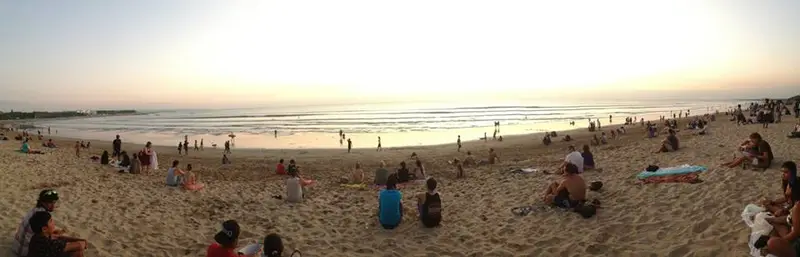
Bali oggi: un'isola unica dentro l'Indonesia
Bali è probabilmente una delle isole più note al mondo, nonché una delle principali mete turistiche dell'Indonesia. In un Paese a maggioranza musulmana, Bali è famosa per la sua identità religiosa e culturale: qui l'Induismo balinese (un intreccio di influenze induiste e tradizioni locali) è parte della quotidianità.
Camminando tra strade, negozi e ingressi delle case è facile vedere piccole offerte: cestini e composizioni di fiori, spesso con incenso, posati davanti agli usci. È un gesto semplice e costante, un segno di rispetto e protezione secondo le credenze locali.
Come arrivare a Bali
Arrivare a Bali non è difficile, ma non sempre è semplice o economico: dipende molto dal periodo, dalla città di partenza e dagli scali.
L'aeroporto principale è il Ngurah Rai International Airport (DPS), vicino a Denpasar e a pochi minuti da Kuta (traffico permettendo).
Le combinazioni di volo cambiano spesso nel tempo: la logica migliore resta quella di confrontare:
- durata totale (scali compresi),
- policy bagagli (soprattutto sui voli regionali),
- orari di arrivo (arrivare di notte può essere scomodo).
In alcuni casi, spezzare il viaggio in più tratte acquistate separatamente può risultare più conveniente, ma richiede attenzione (tempi di connessione, eventuali ritardi, bagagli da recuperare e rifare il check-in).
Denpasar e Kuta: primo impatto e vita quotidiana
Denpasar è una delle città più popolate dell'isola e il suo aeroporto è vicino a Kuta, che per molti è la "porta d'ingresso" a Bali: costa, surf, un labirinto di viette e un'offerta enorme di guesthouse, hotel e alloggi di ogni tipo.
A ogni angolo trovi i warung, piccole attività familiari che vendono di tutto: acqua, snack, sigarette, ma spesso anche piatti locali a prezzi accessibili. Se vuoi mangiare semplice e "reale", i warung sono spesso la risposta.
Trovare una sistemazione a Kuta non è difficile. Però un dettaglio: prenotare d'impulso "il primo posto libero" può portare a brutte sorprese.
Dove dormire: una lezione imparata sul campo
Arrivato a Kuta, in un caldo pomeriggio di fine agosto, la maggior parte delle strutture era al completo e io, preso dall'entusiasmo di essere finalmente a Bali, mi sono accontentato del primo "hotel" (se così si può dire) con una stanza libera che ho trovato. La formula era quella classica: più notti ti fermi, più paghi meno. Così ho pagato in anticipo per 7 giorni.
Solo dopo, cercando online, mi sono reso conto di aver fatto una cazzata. Molte persone che avevano soggiornato lì lamentavano non solo la maleducazione del personale, ma anche veri e propri furti in stanza di soldi e documenti. Non è stato bello, se considerate che la maggior parte del tempo lo passavo in spiaggia cercando di fare surf — più in acqua che sulla tavola, chiaramente — quindi tutti i miei averi dovevo lasciarli in stanza, e di cassaforte nemmeno a parlarne.
Durante il mio soggiorno in quell'hotel sono stato tra i fortunati: non mi è sparito nulla. Però credetemi, le condizioni igieniche erano bassissime. Stanza mai pulita in una settimana. Non sono il tipo che si scompone facilmente, ma livelli così non li avevo raggiunti nemmeno in altri posti "di fortuna".
Una nota pratica, valida sempre: se ti capita una stanza con aria condizionata che sembra non vedere manutenzione da anni, evita di usarla a caso. In generale, in qualsiasi Paese, impianti trascurati e filtri sporchi non sono una grande idea.
Templi di Bali: numeri folli e luoghi imperdibili
Bali è ricca di templi: alcuni sono piccoli e quotidiani, altri enormi e simbolici. E alcuni restano addosso anche se non sei "da templi".
Tra quelli più suggestivi ci sono i cosiddetti templi marini, spesso posizionati vicino alla costa.
Pura Tanah Lot
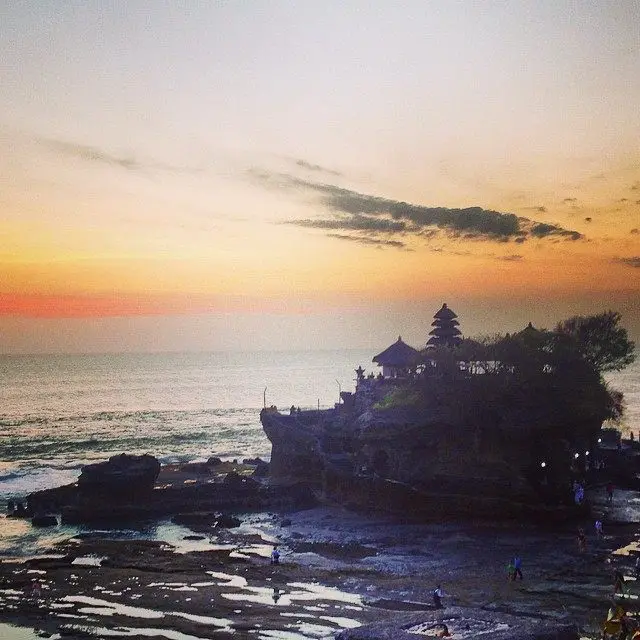
Probabilmente il più scenografico, soprattutto nelle ore che precedono il tramonto. Quando c'è alta marea il tempio viene circondato dall'acqua e, con i colori del cielo, lo scenario è davvero impressionante. L'accesso all'interno non è sempre consentito ai turisti.
Pura Besakih (Mother Temple)
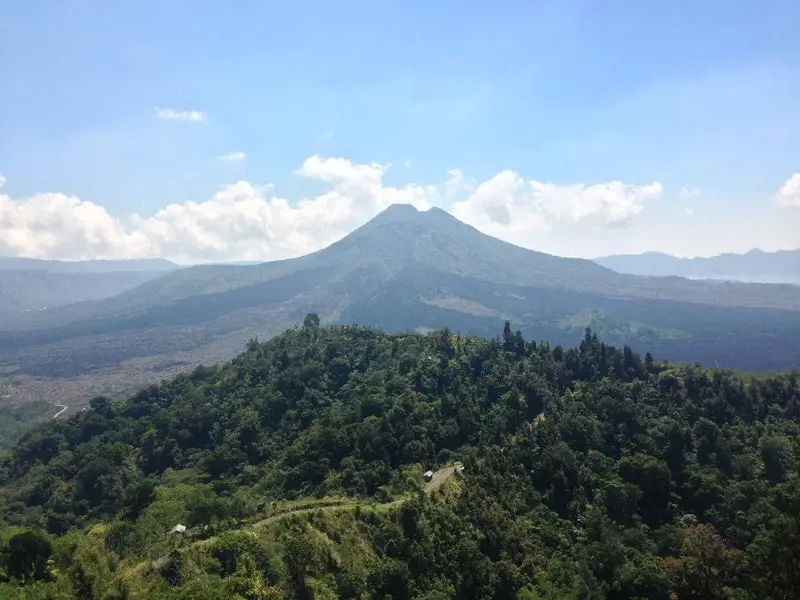
Sorge sulle pendici del Monte Agung ed è il più grande complesso templare di Bali, spesso chiamato "Mother Temple". È molto turistico e per questo controverso: a tratti sembra un mercato dove tutto è in vendita. Merita comunque di essere visto, possibilmente con tempo e senza fretta.
Pura Lempuyang (le "porte" e la scalinata)
È uno dei templi più iconici. Si raggiunge attraverso scalinate e tratti impegnativi; la vista, quando il meteo collabora, ripaga.
Pura Goa Lawah (Bat Cave)
Nella zona di Padang Bai, è noto anche come "Bat Cave": un tempio legato a una grotta abitata da pipistrelli. Secondo una leggenda locale sarebbe collegato al Pura Besakih da un passaggio sotterraneo legato al viaggio spirituale delle anime verso il Monte Agung.
Pura Uluwatu
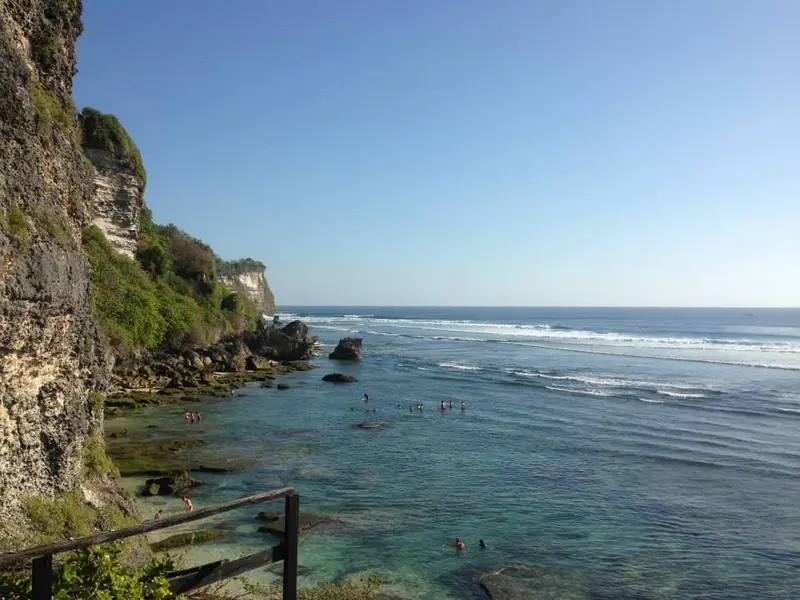
Tempio spettacolare su una scogliera a strapiombo sul mare. È uno dei luoghi simbolo anche per chi cerca onde e panorama: qui Bali mostra la sua faccia più drammatica e cinematografica.
Muoversi a Bali: scooter, traffico e benzina "in bottiglia"
Noleggiare uno scooter può essere la marcia in più. Le strade strette e spesso dissestate, unite al numero spropositato di auto e camion, rendono il traffico balinese un piccolo inferno. Ma, con prudenza e attenzione, lo scooter resta uno dei modi più pratici per muoversi liberamente e vedere il più possibile.
Non ovunque trovi veri distributori: lungo le strade è ancora facile imbattersi in baracchini che vendono benzina in bottiglia.
Un'altra cosa che caratterizza Bali è l'urbanistica "bassa": molte costruzioni restano contenute in altezza. Il risultato è un'isola con spazi spesso compressi, strade che si stringono e un senso di densità che, in alcune zone, si sente parecchio.
Non solo templi: isole, mare e serate semplici
Bali non è solo religione e templi. Ci sono anche spiagge, bar, musica dal vivo e quel tipo di serate in cui basta poco: una Bintang fresca (la birra locale), il rumore del mare e una chitarra suonata da qualcuno che non conosci.
E poi ci sono altre isole nei dintorni: per chi cerca sabbia, mare e tranquillità, spesso basta spostarsi un po' per cambiare atmosfera.
La parte più "movida" e concentrata, invece, può risultare fin troppo simile a certe località estive nostrane: piena, rumorosa, prevedibile. A qualcuno piace. Io, dopo averla assaggiata, ho preferito girare altrove.
Conclusione
Quando si arriva a Bali bisogna sapersi lasciare trasportare dall'atmosfera che ci circonda e godersi fino in fondo le vibrazioni che solo un posto come questo sa regalare.
Bali in 5 giorni — itinerario semplice
- Kuta (o zona vicina) per riprendersi dal viaggio
- Warung e passeggiata al tramonto
- Pura Uluwatu
- Spiaggia/relax e rientro con calma
- Pura Tanah Lot nel pomeriggio
- Tramonto (se riesci a incastrare gli orari, è il suo momento)
- Pura Besakih (partenza presto)
- Rientro evitando le ore più trafficate
- Pura Lempuyang se hai energia
- In alternativa: giornata mare senza programmi (che a Bali funziona benissimo)
Errori da evitare a Bali
- Prenotare d'impulso la prima stanza libera: controlla recensioni e posizione.
- Pagare troppi giorni in anticipo senza verificare: meglio una notte e poi decidere.
- Sottovalutare il traffico: le distanze "brevi" diventano lunghissime.
- Guidare lo scooter senza prudenza: a Bali non vince chi ha ragione, ma chi torna intero.
- Dare per scontata la manutenzione degli alloggi: se qualcosa sembra trascurato, regolati.
Check-list prima di partire
- Assicurazione medica viaggio
- Documenti e regole d'ingresso aggiornate
- Patente/permessi per scooter e casco serio
- Repellente zanzare + mini kit medico
- Power bank e navigazione offline
August 31, 2014 – Kuta, Bali "This is hard to put into words. When you travel, everything feels new — and that doesn't necessarily mean beautiful, clean, or what you expected. Just new. Because you see, hear, and experience things you never could have imagined. It never disappoints if you know how to look with the right eyes. Because despite the challenges and having to adapt beyond what seems reasonable, you always make it through. And you're always rewarded for it. When you spend most of your time alone, reflecting and trying to understand what surrounds you is the best thing you have left. And that's not little — it's a lot. You grasp and live things more deeply. From the messages that many write to me (I never would have imagined), following this journey of mine, this 'personal search.' To my family without whom I would have done nothing, who always reminds me not to do anything stupid. To my colleagues whose support via WhatsApp always manages to bring a smile to my face, and to all my other friends who are always there. Some travel for pleasure, some out of necessity, some to escape their problems… I travel for all of the above. To test my many limits and come back different. Maybe better, but certainly richer than before. Because it's never enough. I'm taking you with me to the other side of the world, and I can only be grateful for what I have. Heart full and mind never satisfied. Never enough."
Bali today: a unique island within Indonesia
Bali is probably one of the most famous islands in the world, and one of Indonesia's top tourist destinations. In a predominantly Muslim country, Bali stands out for its religious and cultural identity: here, Balinese Hinduism (a blend of Hindu influences and local traditions) is woven into everyday life.
Walking through streets, shops, and house entrances, it's easy to spot small offerings: baskets and flower arrangements, often with incense, placed in front of doorways. It's a simple yet constant gesture, a sign of respect and protection according to local beliefs.
How to get to Bali
Getting to Bali isn't difficult, but it's not always straightforward or cheap: it depends a lot on the time of year, your departure city, and layovers.
The main airport is Ngurah Rai International Airport (DPS), close to Denpasar and just minutes from Kuta (traffic permitting).
Flight combinations change often over time: the best approach is always to compare:
- total travel time (including layovers),
- baggage policies (especially on regional flights),
- arrival times (arriving at night can be inconvenient).
In some cases, splitting the trip into separate legs purchased individually can be cheaper, but it requires caution (connection times, possible delays, luggage to collect and re-check).
Denpasar and Kuta: first impressions and daily life
Denpasar is one of the most populated cities on the island, and its airport is close to Kuta, which for many is the "gateway to Bali": coastline, surf, a maze of narrow streets, and a huge range of guesthouses, hotels, and accommodations of every kind.
On every corner you'll find warung, small family-run businesses that sell everything: water, snacks, cigarettes, but often also local dishes at affordable prices. If you want to eat simple and "real" food, warung are often the answer.
Finding a place to stay in Kuta isn't hard. But here's the thing: impulsively booking "the first available place" can lead to nasty surprises.
Where to stay: a lesson learned the hard way
When I arrived in Kuta on a hot late-August afternoon, most places were fully booked, and I — caught up in the excitement of finally being in Bali — settled for the first "hotel" (if you can even call it that) with an available room. The deal was the classic formula: the more nights you stay, the less you pay. So I paid upfront for 7 days.
Only later, searching online, did I realize I'd made a mistake. Many people who had stayed there complained not only about rude staff but also about actual theft from rooms — money and documents. Not great, considering that I spent most of my time on the beach trying to surf — more in the water than on the board, obviously — so I had to leave all my belongings in the room, and a safe was out of the question.
During my stay at that hotel, I was one of the lucky ones: nothing went missing. But believe me, the hygiene conditions were awful. The room was never cleaned in an entire week. I'm not the type to be easily fazed, but I hadn't reached those levels even in other makeshift places.
A practical note, always worth keeping in mind: if you end up in a room with air conditioning that clearly hasn't seen maintenance in years, don't use it carelessly. In general, in any country, neglected systems and dirty filters aren't a great idea.
Temples of Bali: staggering numbers and must-see places
Bali is full of temples: some are small and part of daily life, others enormous and deeply symbolic. And some stay with you even if you're not "into temples."
Among the most captivating are the so-called sea temples, often perched near the coast.
Pura Tanah Lot
Probably the most scenic, especially in the hours before sunset. At high tide, the temple is surrounded by water, and with the colors of the sky, the view is truly breathtaking. Access inside isn't always allowed for tourists.
Pura Besakih (Mother Temple)
It sits on the slopes of Mount Agung and is the largest temple complex in Bali, often called the "Mother Temple." It's very touristy and therefore controversial: at times it feels like a market where everything is for sale. Still worth seeing, preferably with time and without rushing.
Pura Lempuyang (the "gates" and the stairway)
It's one of the most iconic temples. You reach it via staircases and challenging stretches; the view, when the weather cooperates, makes it all worthwhile.
Pura Goa Lawah (Bat Cave)
In the Padang Bai area, it's also known as the "Bat Cave": a temple connected to a cave inhabited by bats. According to local legend, it's linked to Pura Besakih through an underground passage tied to the spiritual journey of souls toward Mount Agung.
Pura Uluwatu
A spectacular temple on a cliff plunging into the sea. It's one of the iconic spots for those seeking waves and panoramic views: here Bali shows its most dramatic and cinematic face.
Getting around Bali: scooters, traffic, and "bottled" gasoline
Renting a scooter can be a game-changer. The narrow and often rough roads, combined with the outrageous number of cars and trucks, make Balinese traffic a small nightmare. But with caution and attention, the scooter remains one of the most practical ways to move freely and see as much as possible.
You won't find proper gas stations everywhere: along the roads, it's still easy to come across roadside stalls selling gasoline in bottles.
Another thing that characterizes Bali is its "low-rise" urban layout: many buildings stay quite low. The result is an island with often cramped spaces, roads that narrow down, and a sense of density that, in some areas, you really feel.
Not just temples: islands, sea, and simple evenings
Bali isn't just religion and temples. There are also beaches, bars, live music, and those kinds of evenings where all you need is a cold Bintang (the local beer), the sound of the sea, and a guitar played by someone you don't know.
And then there are other islands nearby: for those seeking sand, sea, and tranquility, often a short trip is enough to completely change the atmosphere.
The more "nightlife-heavy" and concentrated area, on the other hand, can feel all too similar to certain summer resorts back home: crowded, noisy, predictable. Some people love it. I, after having a taste, preferred to explore elsewhere.
Conclusion
When you arrive in Bali, you need to know how to let yourself be carried by the atmosphere that surrounds you and fully enjoy the vibrations that only a place like this can offer.
Bali in 5 days — simple itinerary
- Kuta (or nearby area) to recover from the journey
- Warung and sunset walk
- Pura Uluwatu
- Beach/relax and easy return
- Pura Tanah Lot in the afternoon
- Sunset (if you can time it right, it's the perfect moment)
- Pura Besakih (early departure)
- Return avoiding peak traffic hours
- Pura Lempuyang if you have the energy
- Alternatively: a day at the beach with no plans (which works perfectly in Bali)
Mistakes to avoid in Bali
- Impulsively booking the first available room: check reviews and location.
- Paying too many days upfront without checking: better one night and then decide.
- Underestimating traffic: "short" distances become extremely long.
- Riding a scooter without caution: in Bali, it's not about who's right — it's about who makes it back in one piece.
- Taking accommodation maintenance for granted: if something looks neglected, act accordingly.
Check-list before you go
- Travel medical insurance
- Updated entry documents and rules
- License/permits for scooter and a proper helmet
- Mosquito repellent + mini medical kit
- Power bank and offline navigation